Challenge:
In Sub-Saharan Africa, one in ten girls misses school due to the lack of proper sanitary products, according to UNESCO. In Nigeria, where the level of extreme poverty is among the highest globally, period poverty has become a pressing public health concern. School girls without financial means to purchase sanitary pads resort to unhealthy substitutes such as old clothes, mattress pieces, and tissue, which expose them to infections and cause embarrassment due to stains. This leads to absenteeism, and in severe cases, transactional sex to obtain necessities, resulting in exposure to STDs, HIV, and teenage pregnancies.
Our Intervention
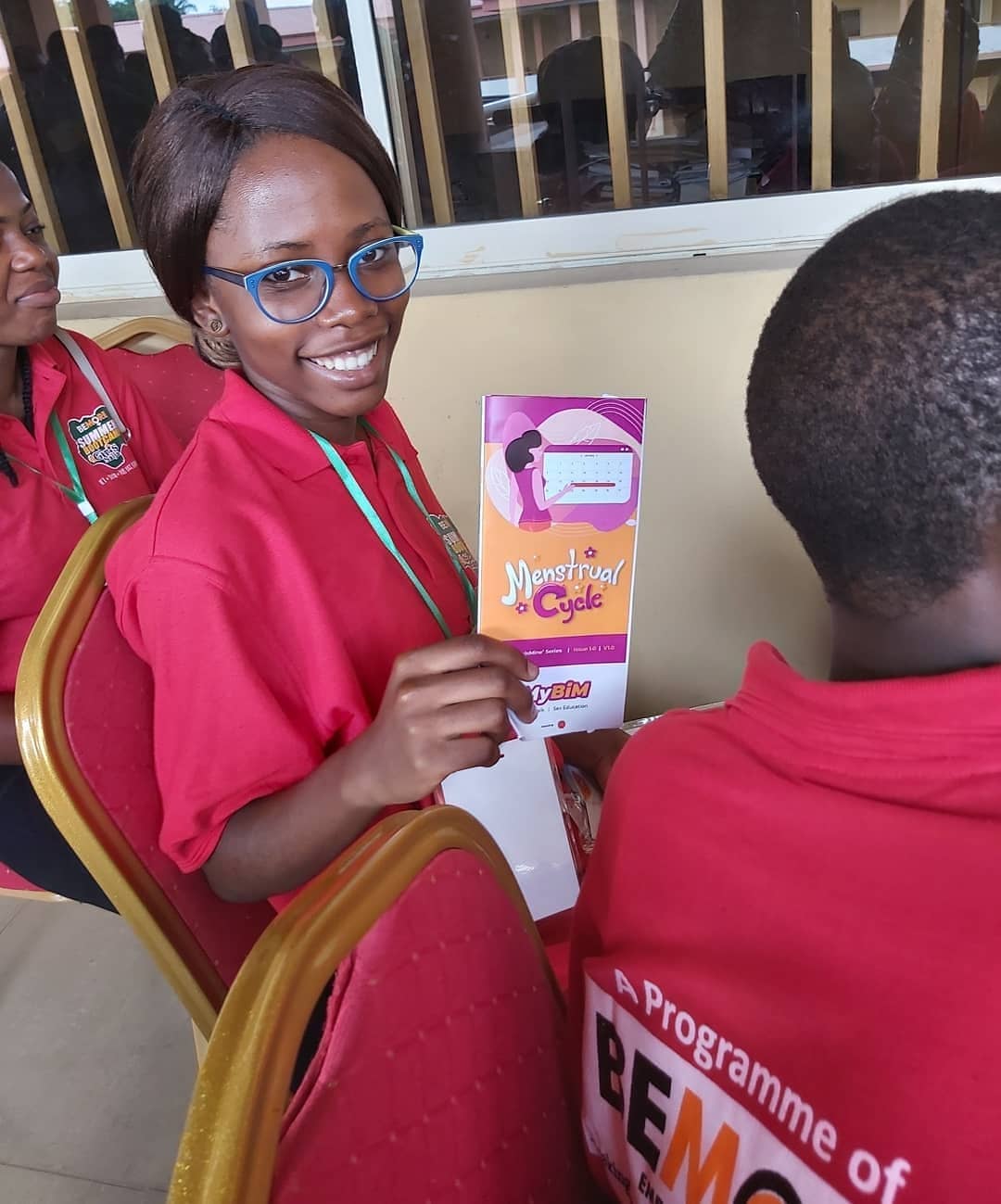
To empower schoolgirls and reduce period poverty, we partnered with the Benmore Foundation on our project – No Days Off. The project developed a workshop to educate the girls during Benmore Summer Camp on appropriate menstrual hygiene and skills to make their reusable cloth pads, addressing the critical issue of period poverty. The training spanned one week, with two delegated time slots per day to ensure full participation.
Below is the workshop structure:
Menstrual Health Education (45 mins):
An interactive session based on the “My Body is Mine” curriculum, focusing on menstrual hygiene, debunking period myths, and understanding the menstrual cycle from a rights-based, gender-focused perspective.
Reusable Cloth Pad Training (2 hrs):
A practical session teaching participants how to make reusable cloth pads using accessible materials. Each participant made two pads and gained hands-on skills to promote sustainable menstrual hygiene practices in their communities.
Project Output:
-
Empowered 250 schoolgirls with the knowledge and skills to create reusable sanitary kits.
-
Designed and distributed 300 illustrated pamphlets on menstrual health and pad hygiene.
-
Educated participants on menstrual health, puberty, and helped break menstrual taboos.
Impact
The workshop significantly empowered the girls and addressed period poverty sustainably. Key outcomes included:
Reduced Period Poverty: Provided reusable pads that enable girls to manage menstruation hygienically and sustainably for up to two years.
Improved School Attendance: Decreased menstrual-related absenteeism, helping girls stay consistent and focused in their education.
Enhanced Self-Esteem: Increased body awareness and hygiene practices fostered confidence and empowerment.
Knowledge Dissemination: Equipped girls to share menstrual health knowledge and skills within their schools and communities, encouraging wider awareness and behavior change.
Economic Relief: Lowered families’ expenses on sanitary products, offering financial relief and allowing funds to be directed toward other essentials.
Our Sustainable Approach
The workshop focused on using locally sourced materials for pad creation, hence upon completing the training, the girls could make their sanitary pads at home for little to no cost. This approach allowed for replication and the potential for girls to teach others in their schools and communities, fostering a culture of self-reliance and continuous education on menstrual hygiene.
Conclusion
Our partnership demonstrates the effectiveness of menstrual health education and reusable pad workshops in empowering girls, improving their health and well-being, and ultimately contributing to their educational success.